How to keep your pet from getting lost (and what to do if it happens)
ID tags, microchips, trackers, and habits that reduce the risk of losing your pet, plus a plan for the first hours if your dog or cat goes missing.
It only takes a second: a door left open, a firework, a thunderstorm, or a clip that gives way. Any dog or cat can get lost, even the calmest one. The good news is that a few habits greatly reduce the risk and, if it does happen, improve your chances of getting them back quickly.
Prevention: three layers of identification
Think of identification in layers: if one fails, the next one has you covered.
- An ID tag with your phone number, easy to read. It's the first thing anyone who finds an animal looks at, and it needs no scanner.
- A microchip with up-to-date details. A microchip is not a GPS: it doesn't tell you where your pet is, only who their family is when a vet, a shelter, or the police scan it. That's why updating your phone number and address whenever they change is essential. In Spain, dogs, cats, and ferrets must be microchipped and listed in their region's registry.
- Recent photos and distinguishing marks: spots, scars, or anything that sets them apart. If they go missing, you'll have everything for a poster in a minute.
Trackers: GPS or Bluetooth
A tracker doesn't replace a microchip, but it tells you where your pet is right now. There are two main kinds:
| GPS tracker | Bluetooth tag | |
|---|---|---|
| How it locates | Satellites and mobile network | Nearby phones that detect the tag |
| Real-time position | Yes | No, only the last detection |
| Subscription | Usually yes | Usually no |
| Battery | Days to weeks | Months |
| Best for | Dogs who go out a lot, rural areas | Belongings, or as a backup |
A few things worth knowing:
- GPS loses signal indoors. Many trackers then estimate the position from nearby Wi-Fi networks, with less accuracy.
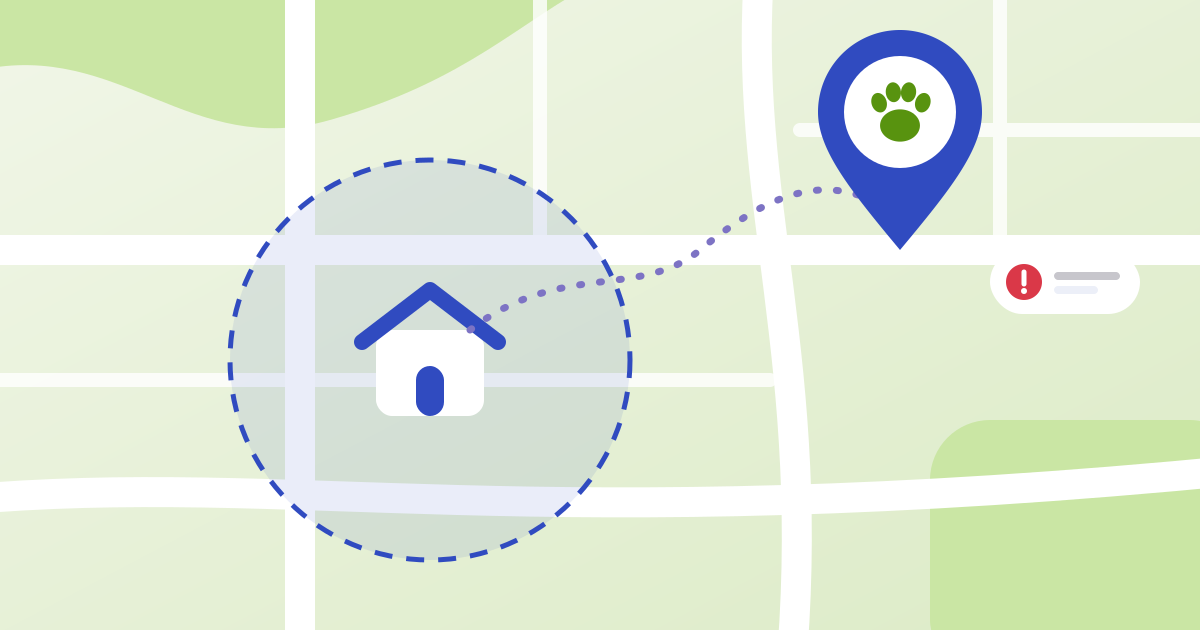
- Safe zones (also called geofences) alert you as soon as your pet leaves an area you define, such as your home or garden. That's the feature that makes the difference in the first few minutes.
- For cats, always use a breakaway collar that opens if it gets caught.
Habits that make a difference
- Check collars, harnesses, and clips regularly. They stretch and wear out with use.
- Secure windows and balconies with netting if you have a cat. Falls from height are more common than you might think.
- Fireworks and storms: walk before they start, close the windows, prepare a quiet refuge, and keep them on the lead. In Spain, dates like San Juan, Las Fallas, and New Year's Eve see a lot of lost pets.
- Train recall with rewards they love, and don't let them off the lead until they respond reliably.
- Take extra care during moves, trips, and visits. Those are the moments with the most open doors and the most disorientation.
If they go missing: the first hours
Act fast and methodically:
- Search the area immediately. A frightened dog can run far, but a cat usually hides very close by and stays silent: under cars, in garages, sheds, or bushes. Search again at dusk with a torch, when everything is quieter.
- Leave their scent at the door: their bed or a piece of your clothing can help them find the way back.
- Report the loss to the microchip registry, the local police, your council's animal services, shelters, and vet clinics in the area.
- Spread a poster with a clear photo, the area, the date, and your phone number, on paper around the neighbourhood and on social media and local groups. Keep one distinguishing feature to yourself: it will help you check whether someone has really found them. Be wary of anyone asking for money up front.
- If they wear a tracker, check their last position and switch on real-time tracking, even if it uses more battery.
- Keep looking. Visit shelters and the council pound in person every few days, because descriptions don't always match.
When they come home
Take them to the vet to rule out injuries, parasites, or dehydration, withdraw the alerts from the registry and social media, and take a moment to work out what went wrong so it doesn't happen again.
At Petxam we are working to bring your pet's identification, location, and community together in one place, because when an animal goes missing, every minute counts.